Land Cleared Without Hauling Debris Offsite
Forestry Mulching in Pfafftown and surrounding areas for overgrown properties, brush-choked fence lines, and sites needing vegetation removal with minimal soil disturbance
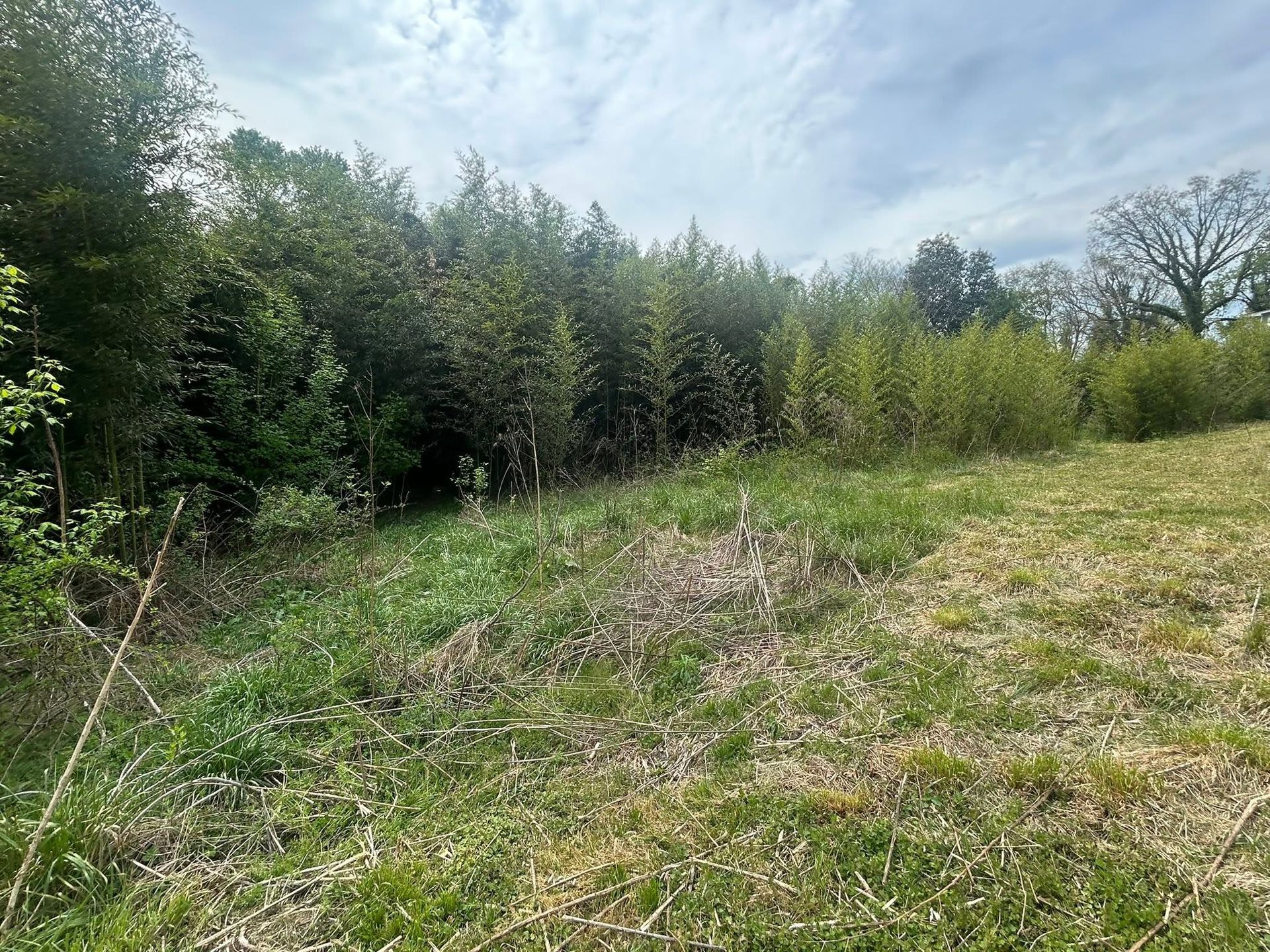
Overgrown brush and small trees reduce property accessibility and create fire hazards, yet traditional clearing methods require hauling truckloads of debris to disposal sites. Forestry mulching grinds vegetation in place, converting brush, saplings, and undergrowth into a layer of natural mulch that remains on the ground. Dexter Land Clearing LLC operates forestry mulching equipment in Pfafftown, Lewisville, King, and neighboring communities for residential, agricultural, and commercial properties where vegetation needs to be removed quickly without the disruption of burning, hauling, or stump removal.
This method works by feeding standing vegetation into a rotating drum equipped with cutting teeth that shred material into small pieces. The mulch layer left behind protects topsoil from erosion, retains moisture, and decomposes over time to add organic matter back into the ground. Because the equipment operates on tracks or tires without requiring heavy grading, it preserves the underlying soil structure and minimizes compaction compared to bulldozer-based clearing.
Contact the company to determine whether forestry mulching fits your property's vegetation density and terrain conditions.
What Forestry Mulching Actually Accomplishes
Forestry mulching addresses dense undergrowth, invasive species, and small-diameter trees up to several inches thick, depending on equipment capacity. The machine moves through the target area, grinding vegetation as it advances. The operator controls the depth of cut to leave the root systems intact, which stabilizes soil and prevents erosion on slopes or near waterways. This approach works well for clearing fence lines, creating firebreaks, opening trails, and preparing land for pasture or recreational use.
Once the work is finished, you'll see clear ground covered with a uniform layer of shredded organic material instead of piles of limbs and stumps. The mulched surface suppresses weed regrowth by blocking light, and it breaks down gradually to improve soil quality. Access improves immediately—vehicles, equipment, and livestock can move through areas that were previously impassable due to tangled brush. The process also eliminates the ongoing maintenance burden of cutting back regrowth manually.
Forestry mulching produces different results than traditional clearing because it doesn't remove root systems or strip topsoil. Large trees beyond the equipment's cutting capacity require separate removal, and rocky or steeply sloped terrain may limit machine access. The method works best when vegetation density justifies the speed advantage over hand clearing, and when leaving mulch onsite benefits the property's erosion control or soil health goals.
Answers to Frequent Service Questions
Clients considering forestry mulching often have questions about what the equipment can handle and how the process differs from other clearing methods.
Dexter Land Clearing LLC evaluates vegetation density, terrain access, and project goals before recommending forestry mulching or alternative clearing methods. Arrange a property evaluation to discuss how this approach fits your land improvement objectives.
What size trees can forestry mulching equipment handle?
Most forestry mulchers cut trees up to six or eight inches in diameter, depending on the machine and wood density. Larger trees require felling and separate removal before mulching the surrounding brush and saplings.
How does the mulch layer help prevent erosion?
The shredded material forms a protective blanket over the soil, absorbing rainfall impact and slowing water runoff. In Pfafftown's rolling terrain, this layer stabilizes slopes and reduces the likelihood of gullies forming during heavy rain events common in spring and summer months.
Why is forestry mulching faster than traditional clearing?
The machine grinds vegetation in place without stopping to pile, haul, or burn debris. A single pass clears the area and spreads mulch simultaneously, eliminating the multiple steps required when using chainsaws, loaders, and trucks.
What types of properties benefit most from forestry mulching?
Properties with dense brush, overgrown pastures, or wooded areas needing selective thinning see the greatest advantage. Agricultural land, hunting tracts, and residential lots with significant undergrowth all benefit from the speed and erosion control this method provides.
How long does the mulch layer last before decomposing?
Decomposition rates depend on climate, mulch thickness, and material composition. In typical conditions, the layer remains visible for one to two years while gradually breaking down and enriching the soil beneath.
