
Trails and Lanes That Improve Access
Hunting Land Clearing in the Pfafftown area for landowners creating accessible properties and improved wildlife habitat
Strategic vegetation management opens hunting properties without removing the natural cover and terrain features that attract wildlife. Dexter Land Clearing LLC provides hunting land clearing in Pfafftown, Clemmons, Lewisville, and surrounding areas for property owners who need trails, shooting lanes, food plot locations, and access roads cut through wooded tracts. The work removes undergrowth and selective trees to improve visibility and access while maintaining the property's natural character, creating functional hunting areas that support landowner objectives without over-clearing.
Hunting land clearing addresses properties where dense brush limits sight lines, prevents trail access, or restricts areas suitable for food plots. The approach involves cutting trails to specific widths based on vehicle or ATV access needs, clearing shooting lanes that provide unobstructed views across terrain features wildlife use, and preparing food plot sites where sunlight reaches the ground after canopy reduction. Equipment is selected to minimize soil disturbance and avoid damaging root systems of trees that provide mast crops or thermal cover.
Arrange a property consultation to review your hunting objectives and identify which areas benefit from selective clearing.
What Changes After Strategic Clearing
Hunting land clearing begins with identifying areas where vegetation removal improves access or visibility without compromising wildlife habitat. Trails are cut to widths that accommodate vehicles or foot traffic, shooting lanes are cleared along natural funnels or ridge lines where wildlife movement is predictable, and food plot locations are prepared where soil and sunlight conditions support seed establishment. Brush and saplings are removed selectively, leaving mature trees that provide cover and food sources.
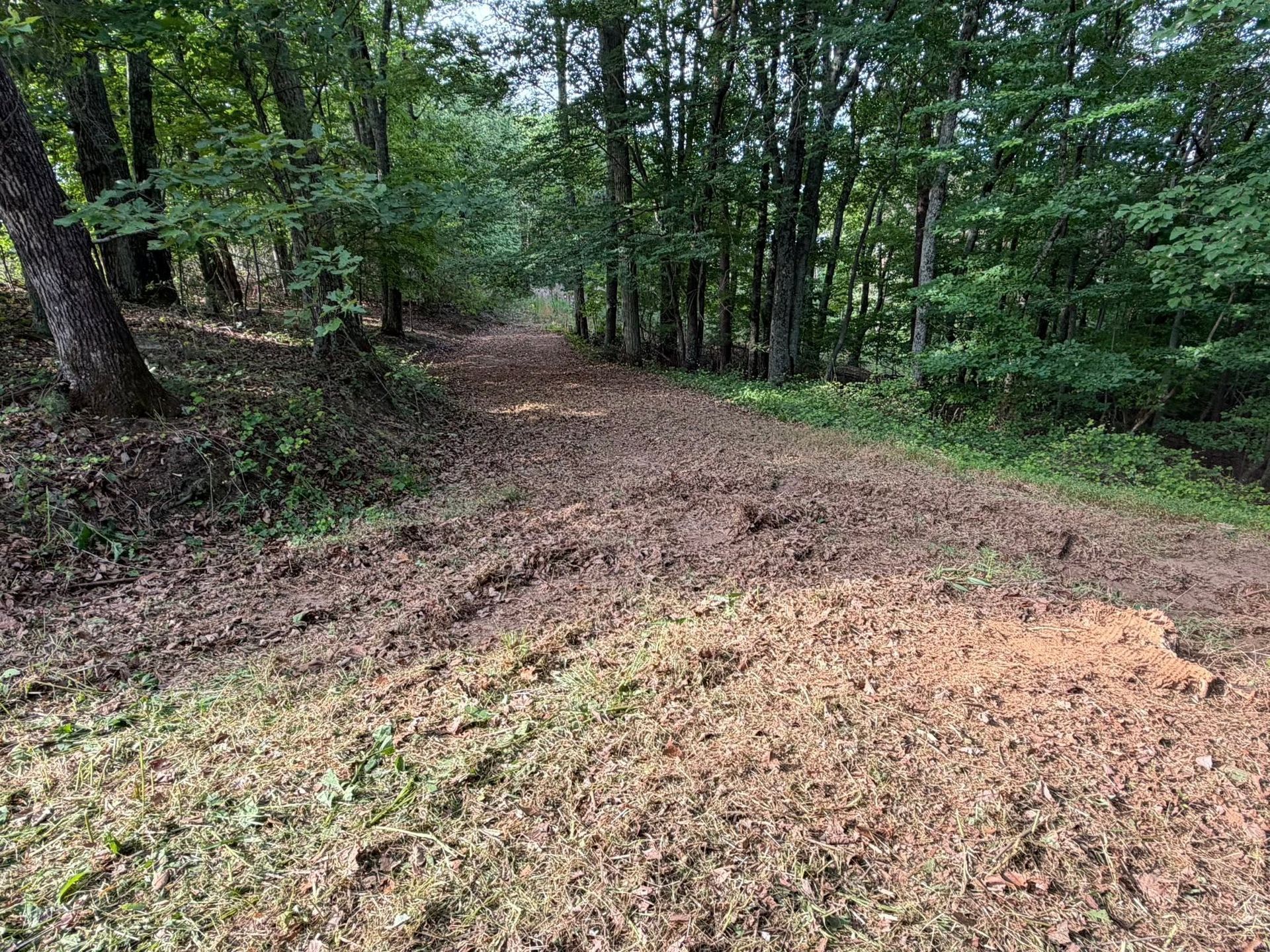
After clearing is complete, you'll notice defined trails that allow quiet access to stand locations, shooting lanes that provide clear sight lines without removing the surrounding cover wildlife depends on, and food plot sites ready for planting. Access roads allow equipment to reach remote areas for stand placement and maintenance, and improved visibility across shooting lanes increases effective range without altering the property's overall canopy structure.
Services include trail cutting, shooting lane clearing, food plot site preparation, and access road development. The extent of clearing depends on whether your property is used primarily for deer hunting, turkey hunting, or multiple species that require different habitat structures. Properties with varying terrain may need terraced food plots or trails that follow contour lines to reduce erosion.
What Property Owners Usually Ask
Landowners improving hunting properties often need guidance on how much vegetation to remove, where to position trails and lanes, and how clearing affects wildlife behavior and habitat quality.
Dexter Land Clearing LLC customizes hunting property improvements based on terrain, wildlife objectives, and access requirements. Contact the company before seasonal improvements begin to plan clearing that supports long-term property management.
How wide should hunting trails be cleared?
Trail width depends on access needs—foot trails typically require four to six feet of clearing, ATV trails need six to eight feet, and vehicle access roads require ten to twelve feet to allow trucks or tractors to reach stand sites and food plots without damaging surrounding vegetation.
What's the difference between shooting lanes and clear-cuts?
Shooting lanes are narrow corridors cleared through existing cover to provide sight lines along wildlife travel routes, while clear-cuts remove all vegetation across larger areas. Shooting lanes preserve the surrounding habitat structure, maintaining cover and thermal protection that keeps wildlife using the property.
How do food plot locations get selected during clearing?
Food plot sites are chosen based on sunlight availability after canopy reduction, soil quality that supports seed growth, and proximity to bedding or travel areas wildlife use. In Pfafftown, south-facing slopes receive more sunlight and warm faster in early spring, extending the growing season for plot plantings.
Does clearing trails and lanes disturb wildlife long-term?
Initial clearing creates temporary disturbance, but wildlife adapts quickly to trails and lanes that don't eliminate cover or significantly alter habitat structure. Properties with well-planned trail systems often see increased wildlife activity because improved access allows better stand placement and reduced human scent dispersion.
When should hunting land clearing be scheduled?
Clearing is best scheduled before hunting season or during late winter after season ends. This timing allows vegetation to settle and wildlife to adjust to access changes before hunting activity resumes, and it positions food plot sites for spring planting.
